


Gardening for Beginners: First Steps to Beginner Gardening Success

Starting a garden can feel like stepping into a whole new world. There’s soil to dig, seeds to plant, and a whole lot of green to grow. But don’t worry - gardening is one of those hobbies that welcomes everyone with open arms. Whether you have a tiny balcony or a spacious backyard, the joy of watching something grow from a tiny seed to a flourishing plant is truly magical. I’m here to walk you through the beginner gardening steps that will set you up for success and make your gardening journey enjoyable and rewarding.
Your First Beginner Gardening Steps: Getting Started with Confidence
Before you grab your trowel and gloves, it’s important to lay a solid foundation. Here’s how to start:
Choose the right spot: Most plants love sunlight, so find a place that gets at least 6 hours of sun daily. If you’re short on space, a sunny windowsill or balcony can work wonders.
Pick your plants wisely: Start with easy-to-grow plants like herbs (basil, mint), lettuce, or cherry tomatoes. These are forgiving and give you quick results.
Get the right soil: Good soil is the heart of a healthy garden. Look for nutrient-rich, well-draining soil. You can buy potting mix or improve your garden soil with compost.
Gather your tools: You don’t need fancy gear. A small spade, watering can, gloves, and some pots or garden beds will do just fine.
Starting small and simple helps you build confidence and learn the basics without feeling overwhelmed. Remember, gardening is a journey, not a race.

Understanding Soil and Water: The Foundation of Healthy Plants
Soil and water are the two most important ingredients for a thriving garden. Here’s what I’ve learned about them:
Soil texture matters: Sandy soil drains quickly but doesn’t hold nutrients well. Clay soil holds water but can get compacted. Loamy soil is the best mix of sand, silt, and clay. If your soil isn’t perfect, don’t worry - you can improve it with organic matter like compost or aged manure.
Test your soil pH: Most plants prefer a pH between 6 and 7. You can buy a simple soil test kit to check this. If your soil is too acidic or alkaline, there are natural ways to adjust it.
Water wisely: Plants need consistent moisture, but overwatering can drown roots. Water early in the morning or late in the afternoon to reduce evaporation. Check the soil moisture by sticking your finger about an inch deep - if it feels dry, it’s time to water.
A little attention to soil and water now will save you headaches later. Healthy soil and proper watering create a happy home for your plants.
What is the 70 30 rule in gardening?
You might have heard about the 70 30 rule in gardening, and it’s a handy guideline to keep in mind. Simply put, it means:
70% of your garden should be dedicated to plants that you love and will use regularly. This could be vegetables, herbs, or flowers that brighten your space.
30% should be reserved for plants that support your garden’s ecosystem. These include pollinator-friendly flowers, companion plants that deter pests, or cover crops that improve soil health.
This balance helps create a sustainable and productive garden. It’s like having a little community in your garden where every plant plays a role. For beginners, this rule encourages you to focus on what matters most to you while also nurturing the environment around your plants.
Starting Your Garden: Planting Tips and Tricks
Now that you have your spot, soil, and plants ready, it’s time to get planting! Here are some tips to make this step easier:
Read seed packets or plant labels: They tell you how deep to plant seeds, spacing, and sunlight needs.
Prepare your soil: Loosen it with a fork or trowel and mix in compost.
Plant at the right depth: Seeds planted too deep may not sprout; too shallow and they might dry out.
Space plants properly: Crowded plants compete for nutrients and light.
Water gently after planting: Use a watering can with a fine rose or a gentle spray to avoid washing seeds away.
Don’t rush this step. Take your time to enjoy the process. Planting is like setting the stage for a beautiful show - the better the start, the better the performance.
Embracing the Joy of Growing Your Own Food
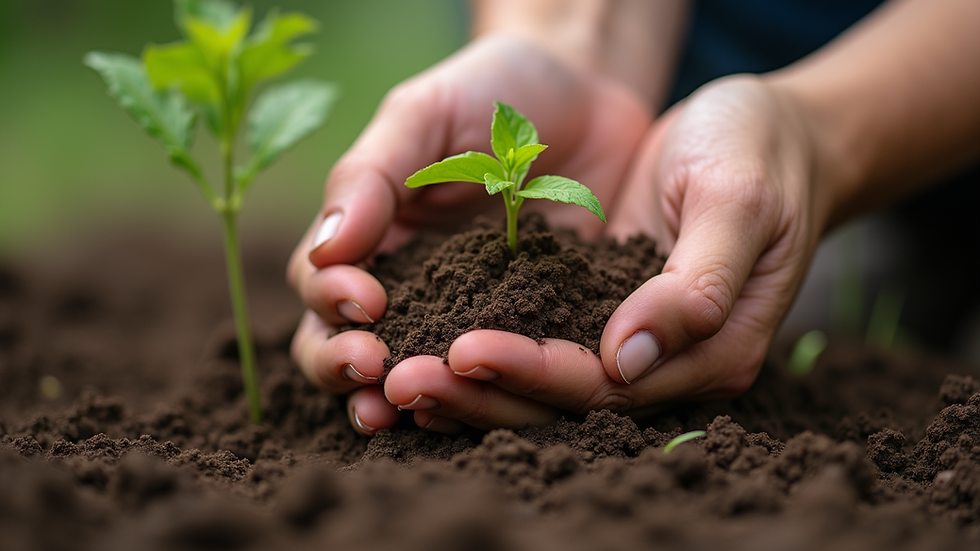
One of the most rewarding parts of gardening is growing your own food for beginners. There’s something special about harvesting fresh tomatoes, crisp lettuce, or fragrant herbs right from your garden. It connects you to nature and your food in a way that’s hard to beat.
Start with easy edibles like radishes, green beans, or strawberries. They grow quickly and give you a sense of accomplishment. Plus, homegrown produce tastes amazing and is free from pesticides. As you gain confidence, you can experiment with more challenging crops.
Remember, gardening is not just about the end result. It’s about the process, the learning, and the little moments of joy when you see a new leaf or a flower bloom.
Keeping Your Garden Healthy: Maintenance Made Simple
Once your garden is planted, it needs some TLC to thrive. Here’s how to keep it happy:
Regular watering: Check soil moisture often, especially in hot weather.
Weeding: Pull out weeds early before they steal nutrients and space.
Mulching: Add a layer of mulch (like straw or wood chips) to keep soil moist and reduce weeds.
Feeding your plants: Use organic fertilizers or compost tea to give plants a nutrient boost.
Watch for pests: Look for signs of bugs or disease. Use natural remedies like neem oil or hand-pick pests.
Maintenance doesn’t have to be a chore. Think of it as spending quality time with your plants. A little care goes a long way.
Your Garden, Your Sanctuary: Enjoy the Process
Gardening is more than just growing plants. It’s about creating a space that brings you peace, joy, and a sense of accomplishment. Don’t stress about perfection. Every gardener has had their share of failures and surprises. The key is to keep learning and enjoying the journey.
Invite friends or family to share in your garden’s beauty. Take photos, journal your progress, or simply sit quietly and soak in the green calm. Your garden is your sanctuary - a place to reconnect with nature and yourself.
So, grab those beginner gardening steps and start planting today. The best life awaits in your garden!
Happy gardening!

Comments