


Starting Your Organic Garden: A Fresh Beginning

Updated: May 6
Embarking on the journey of growing your own food is one of the most rewarding experiences you can have. There’s something magical about planting a tiny seed and watching it grow into a vibrant vegetable that ends up on your dinner plate. If you’ve ever thought about diving into the world of gardening, you’re in the right place. Today, I’m excited to share everything you need to know about starting an organic garden that’s both fruitful and fun.
Why Choose Starting an Organic Garden?
Organic gardening isn’t just a trend; it’s a lifestyle choice that benefits your health, the environment, and your wallet. When you grow your own vegetables organically, you avoid harmful pesticides and chemicals. This means your food is fresher, tastier, and packed with nutrients.
Plus, organic gardening encourages biodiversity. You’ll attract beneficial insects like ladybugs and bees, which help keep your garden healthy. And let’s not forget the joy of knowing exactly what’s in your food and how it was grown.
If you’re new to gardening, don’t worry. Starting an organic garden is easier than you think. With a little patience and some basic knowledge, you’ll be harvesting your own veggies in no time.
Getting Started: The Basics of Starting an Organic Garden
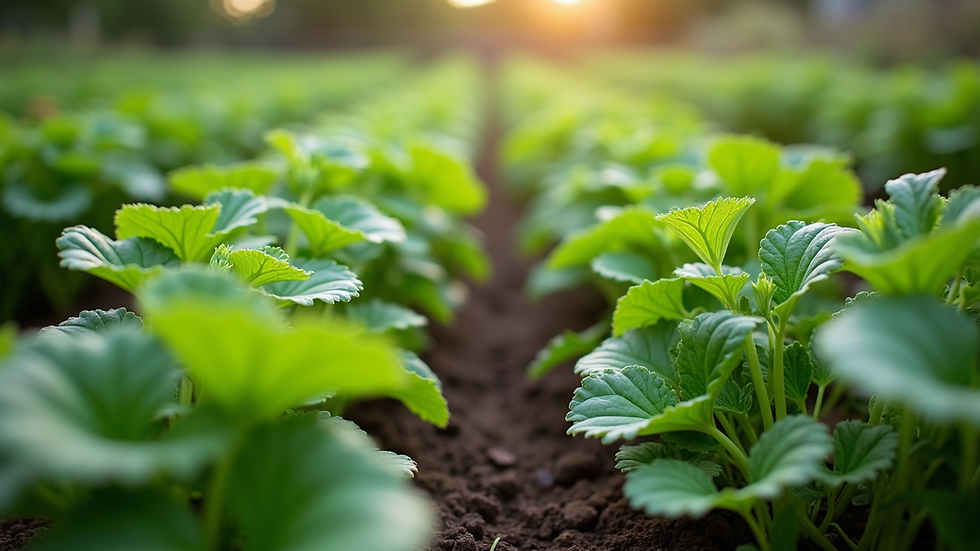
Before you dig in, it’s important to plan your garden thoughtfully. Here’s a simple step-by-step guide to get you going:
Choose the Right Spot
Look for a sunny area that gets at least 6-8 hours of sunlight daily. Good sunlight is essential for most vegetables to thrive.
Test Your Soil
Healthy soil is the foundation of a successful garden. You can buy a soil test kit or send a sample to a local extension service. This will tell you the pH and nutrient levels, so you know what amendments your soil might need.
Prepare Your Soil
Organic gardening means enriching your soil naturally. Add compost, aged manure, or organic mulch to improve soil texture and fertility.
Pick Your Vegetables
Start with easy-to-grow veggies like tomatoes, lettuce, carrots, and beans. Choose varieties suited to your climate and season.
Plan Your Layout
Consider companion planting to maximize space and deter pests. For example, planting basil near tomatoes can improve flavor and keep bugs away.
Water Wisely
Water your garden early in the morning to reduce evaporation and fungal diseases. Use drip irrigation or soaker hoses to conserve water.
Remember, gardening is a learning process. Don’t be discouraged by a few setbacks. Each season teaches you something new.
What is the 70 30 Rule in Gardening?
You might have heard about the 70 30 rule, a handy guideline for organic gardeners. It suggests that 70% of your garden should be dedicated to vegetables you and your family love to eat, while the remaining 30% can be experimental or for companion plants.
Why does this matter? Focusing mostly on your favorite veggies ensures you get the most enjoyment and use out of your garden. The 30% allows room for trying new plants, flowers that attract pollinators, or herbs that enhance your cooking.
This balance keeps your garden productive and exciting without overwhelming you. It’s a gentle reminder to keep things manageable and fun.
Essential Tools and Supplies for Your Organic Garden
You don’t need a fancy shed full of equipment to start an organic garden. A few basic tools will make your gardening experience smoother and more enjoyable:
Please click the links for these essential items to find them on Amazon.
Garden gloves – Protect your hands from dirt and thorns.
Hand trowel – Perfect for planting seeds and small plants.
Pruning shears – Keep your plants tidy and healthy.
Watering can or hose with a gentle spray nozzle – For controlled watering.
Compost bin – Turn kitchen scraps into nutrient-rich soil.
Investing in quality tools pays off in the long run. They make gardening less of a chore and more of a pleasure.

Tips for Pest Control Without Chemicals
One of the biggest concerns when starting an organic garden is dealing with pests. The good news? You don’t need harsh chemicals to keep your plants safe. Here are some natural strategies:
Encourage beneficial insects like ladybugs, lacewings, and spiders that prey on harmful bugs.
Use companion planting to repel pests. Marigolds, for example, deter nematodes and aphids.
Handpick pests like caterpillars and beetles off your plants.
Create barriers with row covers or netting to protect young plants.
Spray homemade remedies such as neem oil or garlic spray to deter insects.
Remember, a little pest presence is normal and even healthy. It means your garden is part of a balanced ecosystem.
Harvesting and Enjoying Your Organic Vegetables
There’s nothing quite like the satisfaction of harvesting your own food. Knowing when and how to pick your vegetables ensures the best flavor and nutrition.
Pick leafy greens like lettuce and spinach when the leaves are young and tender.
Harvest tomatoes when they’re fully colored and slightly soft to the touch.
Pull carrots and radishes when they reach the desired size.
Pick beans and peas regularly to encourage more production.
After harvesting, wash your veggies gently and store them properly to keep them fresh longer. And don’t forget to share your bounty with friends and neighbors – gardening is a wonderful way to build community.
Starting an organic vegetable garden is more than just growing food. It’s about connecting with nature, nurturing life, and creating a space that brings joy and health to your home. If you’re ready to take the plunge, check out this helpful guide on starting an organic vegetable garden to get all the tips and tricks you need.
Happy gardening! Your best life awaits in every seed you plant.
Comments